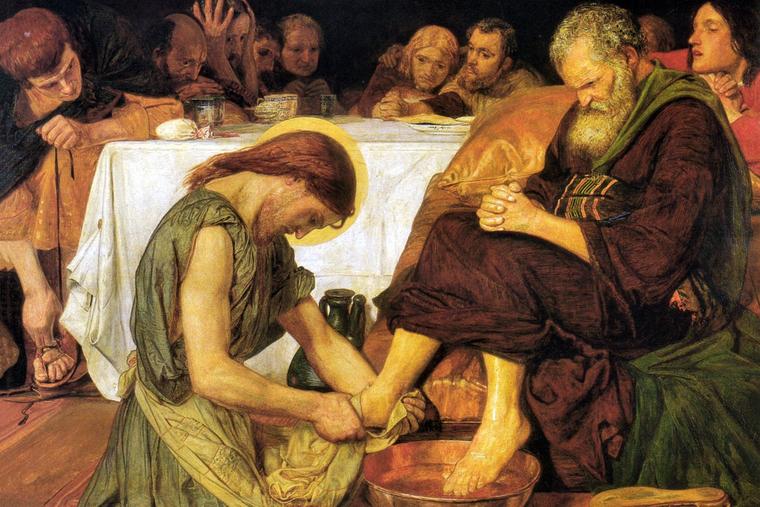
COMMENTARY: A deacon is not merely a generous volunteer with an official title. By ordination, he is sacramentally configured to Christ the Servant.
Within little more than half a century, an ordained ministry that had largely disappeared as a permanent vocation in the Latin Church has become a familiar presence in American Catholic life.
A recent national study by the Center for Applied Research in the Apostolate (CARA) estimates roughly 21,500 permanent deacons in the United States. They serve at the altar, certainly, but also in hospitals and prisons, schools and workplaces, homes and neighborhoods. Many are husbands, fathers and grandfathers. Their lives bring them into contact with people who may rarely, if ever, enter a church.
This contemporary breadth of presence is extraordinary. The diaconate itself is ancient, but its restoration on this scale invites more than a statistical observation. What might God be saying to the Church through these thousands of ordained servants living amid the ordinary joys, struggles and wounds of human life?
For Catholics who know a deacon chiefly as the man who proclaims the Gospel at Mass, that question opens onto another: What is a deacon for? The answer is not simply that he