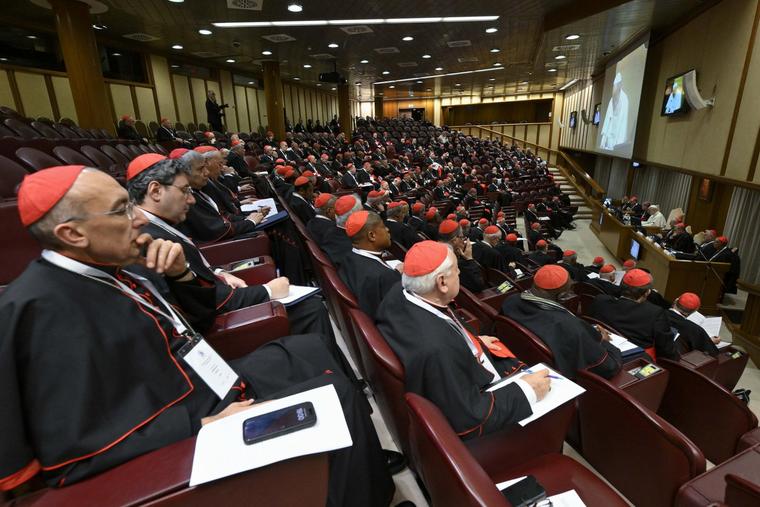
So far, Leo XIV’s government has been characterized by extraordinary prudence and a certain continuity with his predecessors. He has made only a few relatively minor adjustments to the curia, without touching Francis’ broad reform framework. He has also retained the idea of synodality, but without giving it the central importance it had, at least narratively, during the Francis pontificate. And he has almost always drawn on men who had been Pope Francis’ people.
The time is coming, however, when Leo XIV’s pontificate will have to take definitive shape, and that will be when the Pope convenes a consistory to create new cardinals. From the choices he will make about who will receive the new red hats, we will learn a great deal about the Pope.
This is generally the case with every pontificate, and there is no reason to think Leo will be any different. When Leo XIV was elected, 133 cardinal-electors entered the Sistine Chapel, the largest number in history.
Paul VI had set the maximum number of cardinal-electors at 120, and this rule has never been changed. Still, popes can make exceptions. John Paul II had already exceeded the limit of 120 electors, but