This post was originally published on this site.
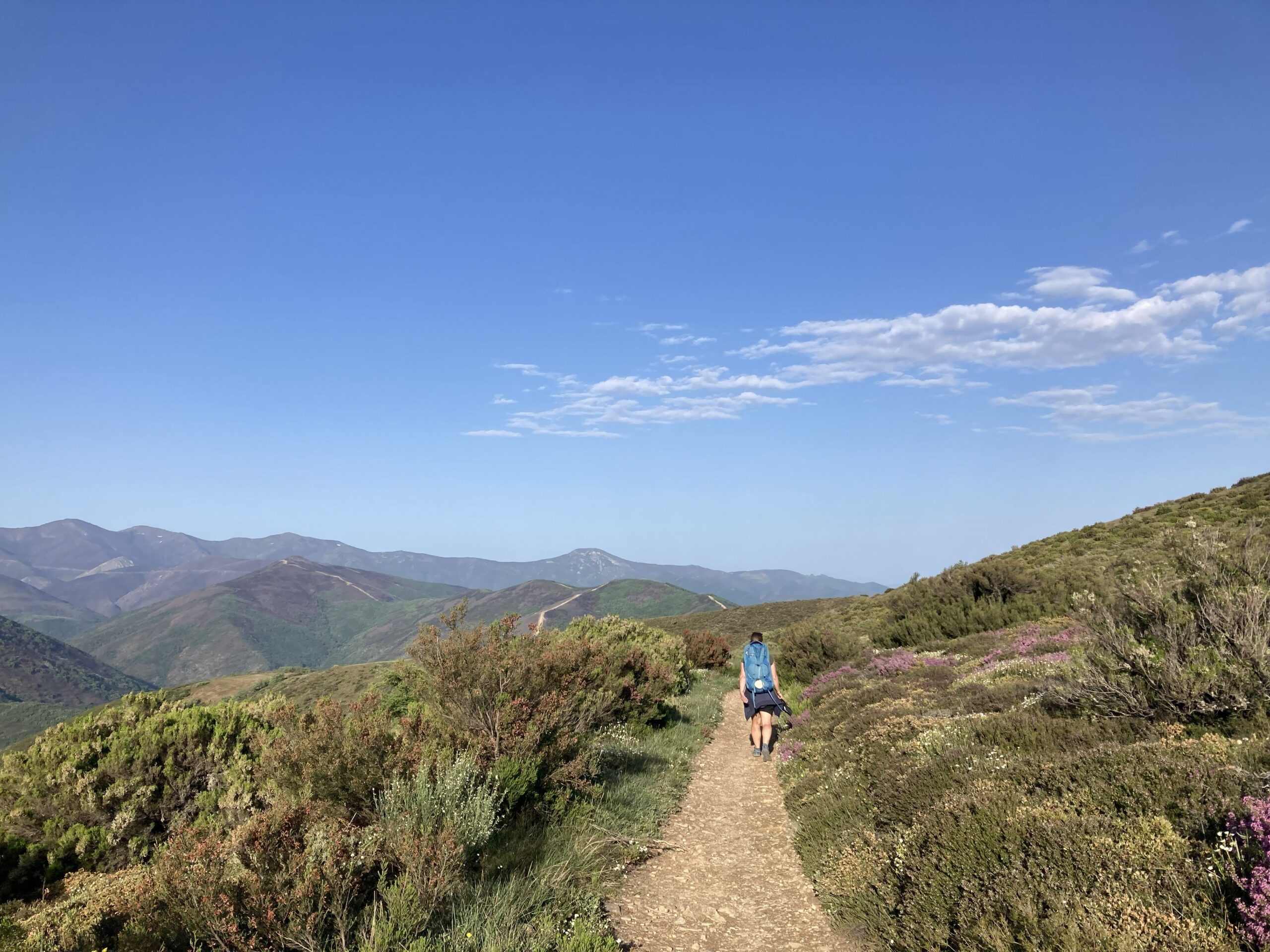
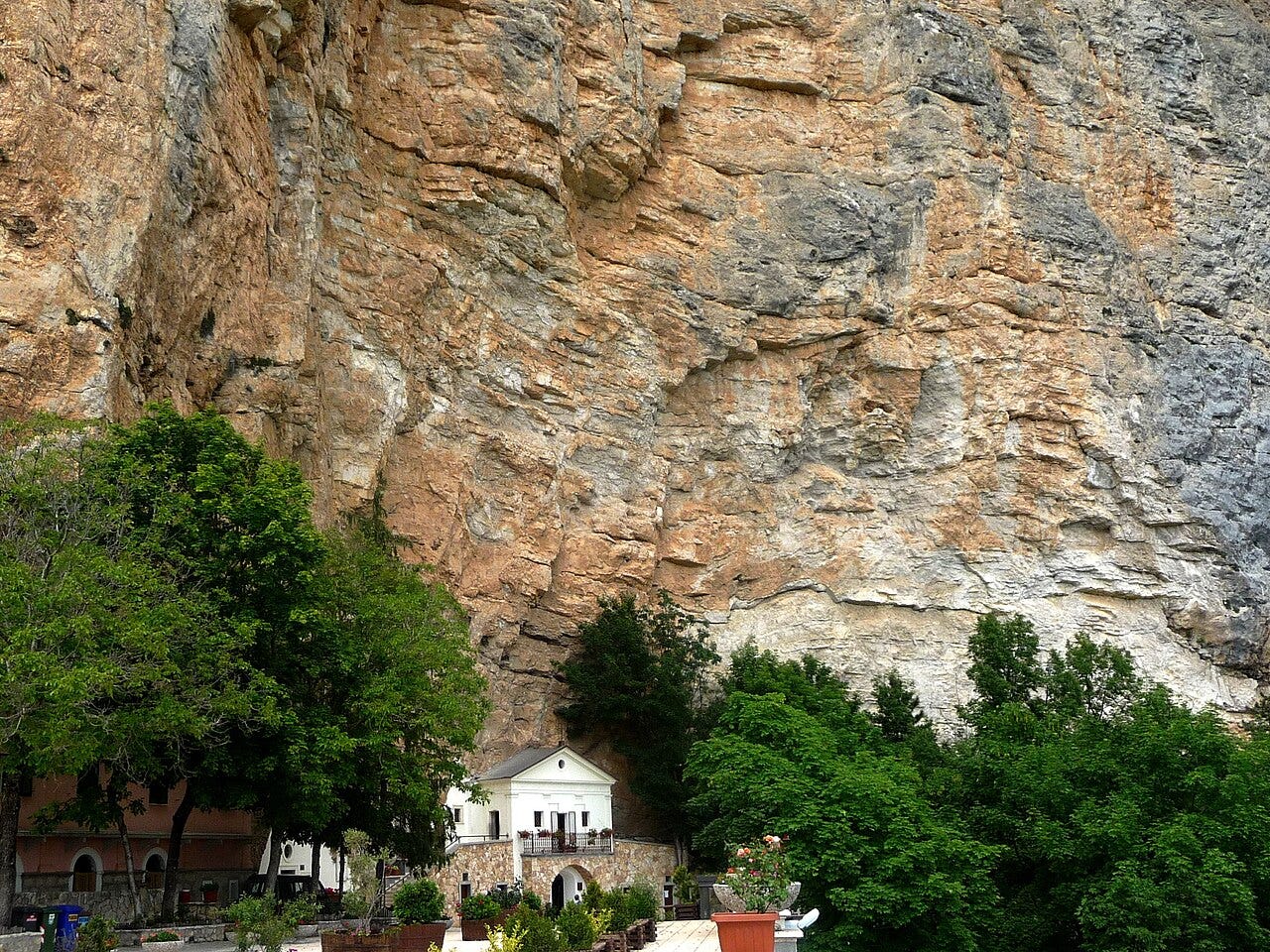
Pilgrims arriving at the Shrine of the Most Holy Trinity in Vallepietra approach on foot after hours of walking through the mountains, traveling in groups behind decorated banners. Inside, they touch the rock above them. When they leave, they walk backwards, unwilling to turn their backs on the image of the Holy Trinity they have come to venerate.
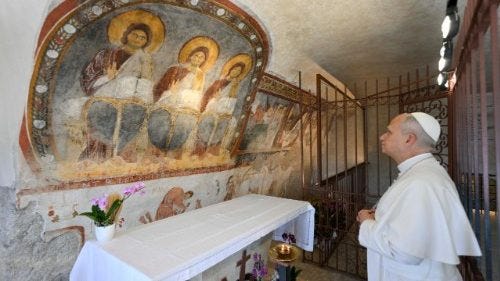 Pope Leo at the Shrine of the Most Holy Trinity. Credit: Vatican Media.
Nearby, in Subiaco, pilgrims descend into another cave, where St. Benedict of Nursia lived in solitude at the beginning of the sixth century. There, visitors kiss the knee of the saint’s statue, following the example of generations who have made the same gesture.
In a surprise move, Pope Leo XIV visited both sites July 22. His itinerary connected two very different expressions of Catholic pilgrimage: a mountain shrine shaped by centuries of local popular devotion, and the cave where a young hermit began the spiritual life that would help shape Western monasticism.
The Shrine of the Most Holy Trinity stands beneath a sheer wall of rock on Mount Autore, near the border between the Lazio and Abruzzo, and located more
Read more...