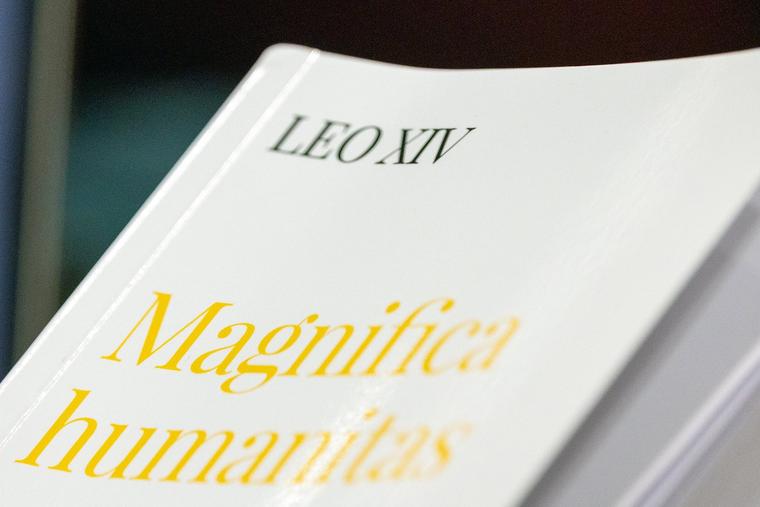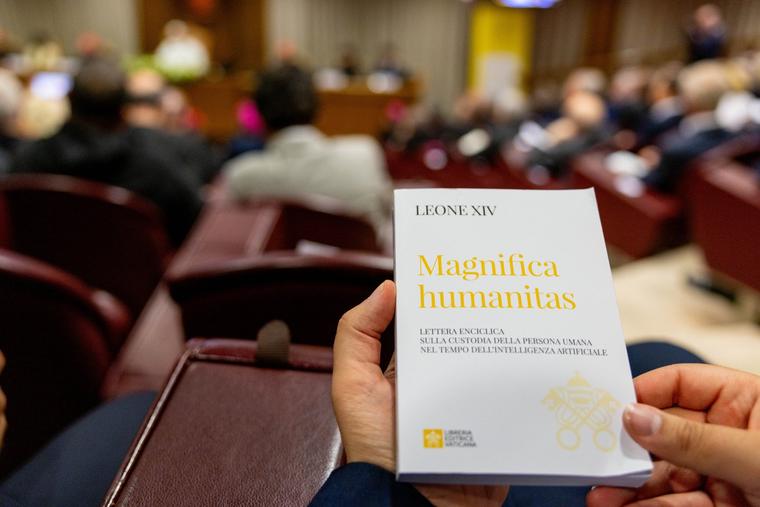
Pope Leo XIV devotes a substantial portion of his first encyclical, Magnifica Humanitas, to the impact of the digital revolution on education and family life.
The pontiff acknowledges that “rapid technological transformations reveal just how unprepared we are on the educational level.” He warns that “the pervasiveness of digital media fosters a culture of immediacy and hyper-stimulation, which gives rise to fatigue, boredom, and apathy concerning the effort required for seeking the truth.”
In response, he emphasizes that education “is a long journey requiring patience and therefore needs time for development and for engagement with reality beyond appearances,” something he considers “fundamental,” because — as he recalls — every technology “shapes those who use it.”
The risk of extinguishing the desire to ask questions
In the encyclical, Leo XIV does not offer ready-made answers or an easy list of tips. Rather, he issues a broad call to rethink what it means to educate people in the use of artificial intelligence and its implications. Ultimately, as he himself states, it is a matter of educating people “to decide when and for what purpose it ought not to be used.”
“The speed and ease with which answers or summaries can be obtained