When the Museum of Biblical Art in New York hosted an exhibit some years ago called, “The Wanderer,” by Enrique Martínez Celaya, I was fascinated by its description:
The exhibition explores Martínez Celaya’s immersion in a Western literary tradition rich in themes and imagery that project a deeply private existential odyssey. The Wanderer presents a series of desolate landscapes in which God may or may not have abandoned mankind. Solitary figures, usually partly nude and always adolescent, are set against a harsh terrain.
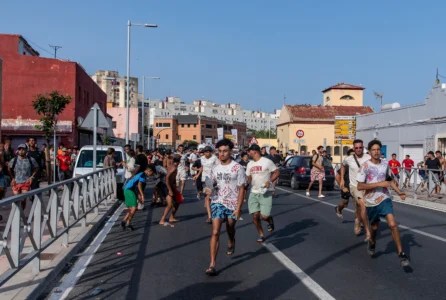
Parents and teachers (I am both.) have a startling window into the interior worlds of young people. Sometimes the fragility of these interior worlds frightens me, as if I am holding in my hands delicate crystal or china. And I am frequently mindful of the landscapes these young people must traverse: lands where there is racism, commodification of bodies, misogyny (and misandry), an eros for financial gain, competition, mind-flattening entertainment, and so on.
The Jesuit spiritual writer Joseph Tetlow has described St. Ignatius’s vision of the world as “God’s project,” a better term than the somewhat vague idea of “God’s will.” God’s project is the unfolding of the kingdom and our participation in bringing about that project.