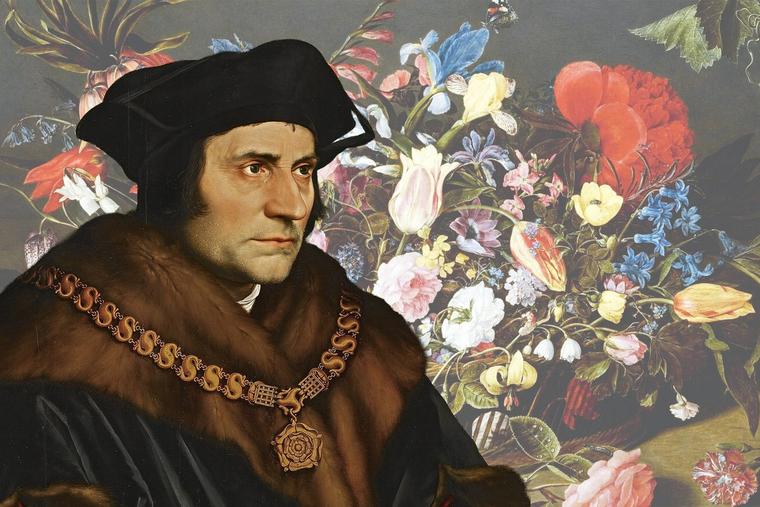
In 1535, standing before the full weight of the English state, Sir Thomas More refused to bend.
Pressed to acknowledge the king as head of the Church in England, More did not offer a dramatic flourish. He did something far more unsettling: he appealed to continuity, to communion, to what had been handed down. He insisted, in substance, that he could not set his private judgment, or even the will of Parliament, against “the general council of Christendom.” In other words, he would not sever himself from the living body of the Church across time.
More understood something we have largely forgotten: to reject that inheritance is not merely to change one’s opinion. It is to estrange oneself from one’s own father. We have spent the better part of five centuries doing precisely that.
A Civilization That Chose Separation
The break with Rome in More’s day was not only a political rupture. It marked the beginning of a deeper shift: truth slowly reimagined as something constructed rather than received, chosen rather than inherited. What began as a crisis of authority became a crisis of belonging.
The modern West learned to define freedom primarily as separation — from tradition, from institutions,