Every single little girl is called to sainthood.
A woman can scarcely move through the world in 2026 without someone telling her she’s doing it wrong. Her outfit isn’t feminine enough; she uses too much plastic in her home; doesn’t see the right pediatrician; and didn’t get the promotion because she was too loud, or too soft-spoken, or didn’t lean in, or leaned in so far that she tripped and fell.
In short: she’s doing it all wrong.
This is nothing new; these types of cultural debates over women’s domestic and professional lives — and how the two are intertwined — have been waged for centuries. But with our current algorithm-driven internet, the most passionate and least nuanced takes tend to rise to the top, leaving behind any calls for debate, conversation, or pondering. This leaves many modern women feeling hopelessly looked down upon.
They feel like failures, in every sense of the word.
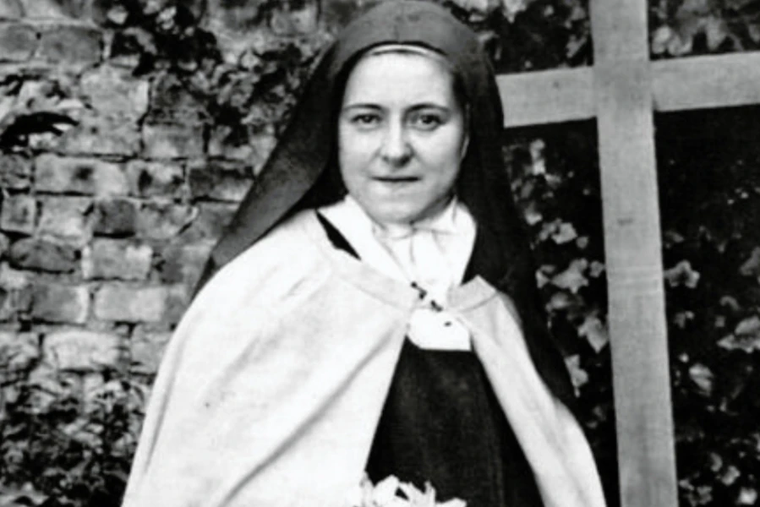
The antidote to these tumultuous arguments may lie in the unexpected: a quiet, cloistered Carmelite from France.
Of course, St. Thérèse of Lisieux is much more than a simple girl. Canonized in 1925, she is known as one of the most important women Catholics claim as