Originally published at The Crux
Read more...
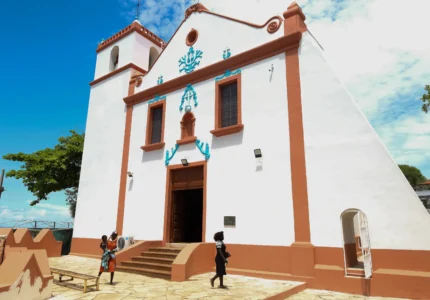
CAPE TOWN, South Africa — The Church of Our Lady of Muxima was built by Portuguese colonizers in Angola at the end of the 16th century as part of a fortress complex and became a hub in the slave trade. It remains a reminder of the inextricable link hundreds of years ago between Catholicism and the exploitation of the African continent.
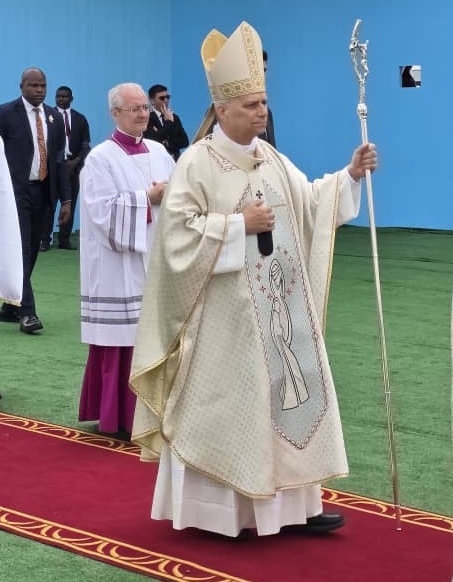
Pope Leo XIV’s planned visit to the church in the town of Muxima on Sunday as part of his Africa tour is in recognition of it becoming a popular Catholic shrine after believers reported an appearance by the Virgin Mary around 1833.
But before that, the white-walled church on the edge of the Kwanza River was a point where enslaved Africans were gathered to be baptized by Portuguese priests before being forced to walk the last 145 kilometers (90 miles) to Angola’s main port of Luanda to be put on ships to the Americas.
The Portuguese colonizers were emboldened by 15th-century directives from the Vatican that authorized them to enslave non-Christians.
Angola was at the center of the slave trade
Ultimately, more than 5 million people left from Angola on the trans-Atlantic slave route, more than any other country and nearly half of the roughly 12.5 million