Originally published at The Crux
Read more...
SEVILLE, Spain — It was almost midnight and much of Seville was heading to bed. Yet a crowd had gathered in front of a stage on the bank of the Guadalquivir River, beside the bridge connecting the Spanish city’s center with a neighborhood famous for its flamenco music.
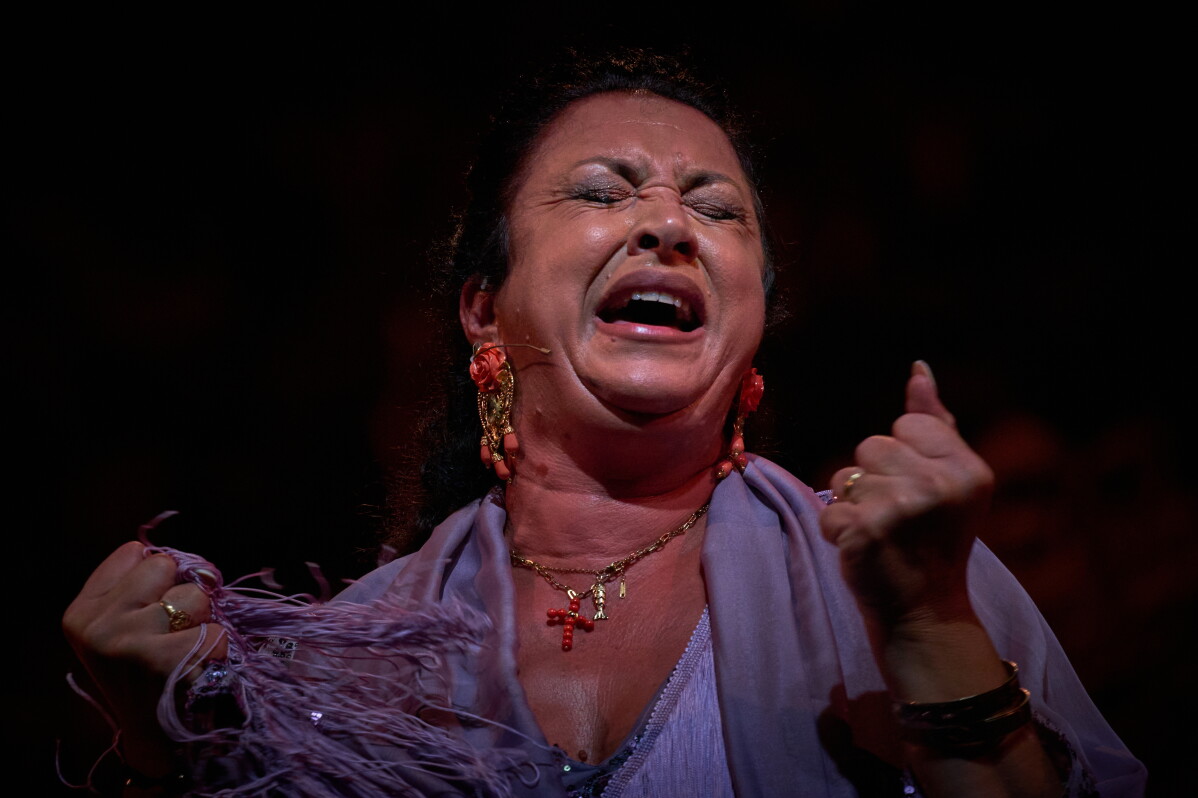
The night was heavy with late-summer heat, and audience members fanned themselves as the musicians took their places. Then Fabiola Pérez let out a prolonged “Aaayyy!” that traveled across the water.
Her cry, known in Spanish as a “quejío,” is a hallmark of flamenco. It is an intense expression, sometimes guttural and often stretched to the point of breaking, through which a singer reaches beyond the lyrics toward something more intimate: Pain, passion, absence, memory.
“The sorrow consumes me. I sing for him, for my father. The quejío is the pain of losing him,” Pérez, known as La Fabi, told The Associated Press after her performance. “I go deep inside myself, and there I also find God.”