The tiny European principality’s hereditary prince has announced he will block the measure, setting up a constitutional standoff.
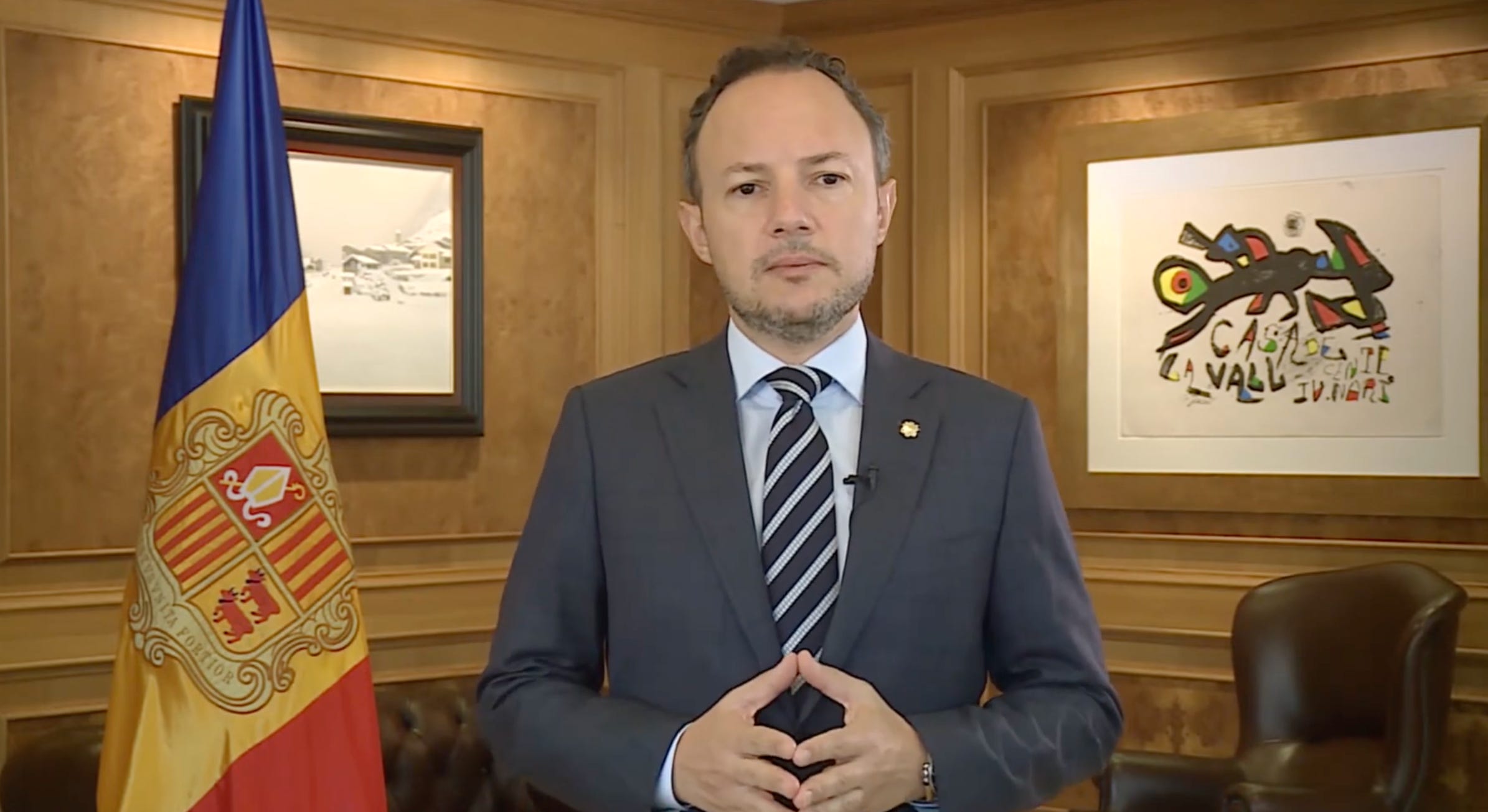
Although Liechtensteinʼs parliament approved an initiative to allow elective abortion in the first 12 weeks of pregnancy by a vote of 13-12 last week, the law has not yet taken effect, as Hereditary Prince Alois previously announced his veto.
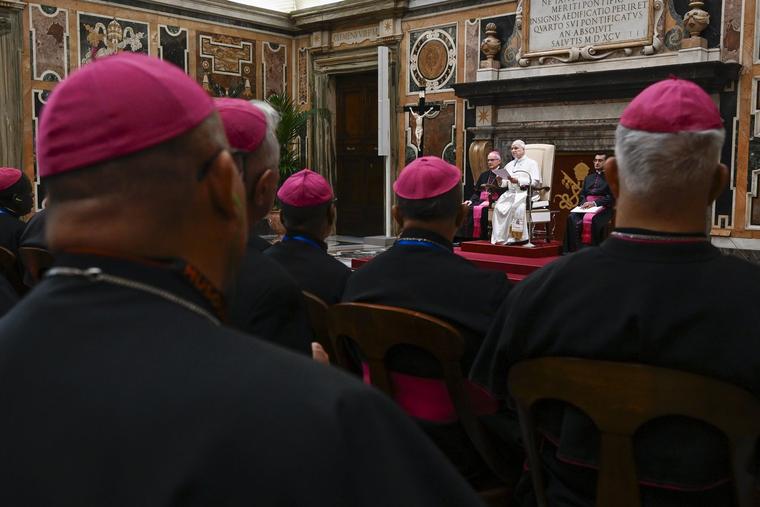
“It gives one pause to consider that, on the one hand, women are seeking inpatient obstetric care in neighboring countries to give birth to their children, while on the other hand, we are currently discussing the creation of conditions for terminating pregnancies within our own country,” said Bishop Benno Elbs, apostolic administrator of the Archdiocese of Vaduz, in a statement dated Aug. 21. “It seems to me that something has become unbalanced here.” The principality has not had its own maternity ward for several years.
“The Churchʼs concern is directed in particular toward all people in vulnerable life situations: unborn children and their parents, people with disabilities, refugees, as well as the elderly and the sick. They all depend in a special way on care, guidance, and concrete support,” Bishop Elbs wrote.
The initiative, titled “Fristenlösung für Liechtenstein” (“term-based solution for Liechtenstein”),