Originally published at The Crux
Read more...
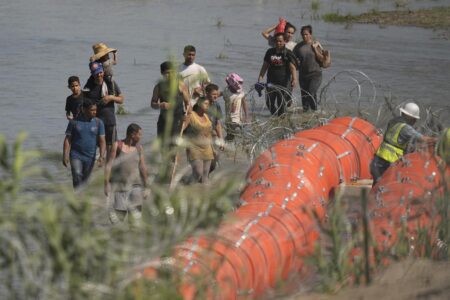
As a teenager, Joe Carrasco would help his father pick onions and cotton on the family’s 40-acre ranch on the banks of the Rio Grande. On the weekends, he would mount his horse and wade across the river into Mexico, where he would race his horse and drink beers.
Today, Carrasco is 71, retired after 26 years working in the oil fields, sitting under a carport with a Michelob Ultra beer and staring at the mountains while his cows graze on his alfalfa farm.
“I like what I see,” he said.
But he doesn’t like what he sees coming.
Carrasco is one of an estimated 400 landowners in the Big Bend region whose land has been targeted by the Trump administration. Like other property owners along the Rio Grande, Carrasco received a letter from U.S. Customs and Border Protection earlier this year asking him to let contractors on his land to survey it or risk losing it through eminent domain.
Over the past year, the Trump administration has sent mixed signals about its plans to erect border barriers in this rugged, mountainous region, saying that it prefers other infrastructure such cameras, sensors and vehicle barriers inside Big Bend National