Originally published at The Crux
Read more...
PARIS, France — A four-day visit by Pope Leo XIV beginning Friday that will feature large public gatherings, popemobile parades and an open-air Mass in Paris presents France with a balancing act under its strict approach to secularism, known as laïcité.
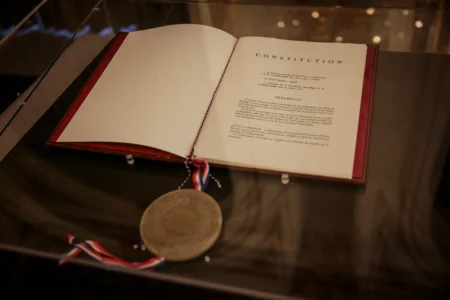
“France is an indivisible, secular, democratic and social Republic,” the country’s Constitution states.
Secularism guarantees the freedom to believe or not to believe, as well as the freedom to practice a religion as long as it does not disturb public order. It also requires the state to remain neutral toward all religions.
Here is a look at France’s distinctive model of secularism.
A republic based on separation of church and state
Key rules have been defined by a historic 1905 law, primarily intended to distance the state from the then-powerful influence of the Catholic Church.
The law guarantees freedom of conscience and the free exercise of religion while requiring the state to remain neutral.
Churches built before 1905 are the property of municipalities or the state, which maintain the buildings while religious communities to use them for worship.
Most places of worship built after 1905, including most mosques, are financed and maintained by religious organizations.
A national survey