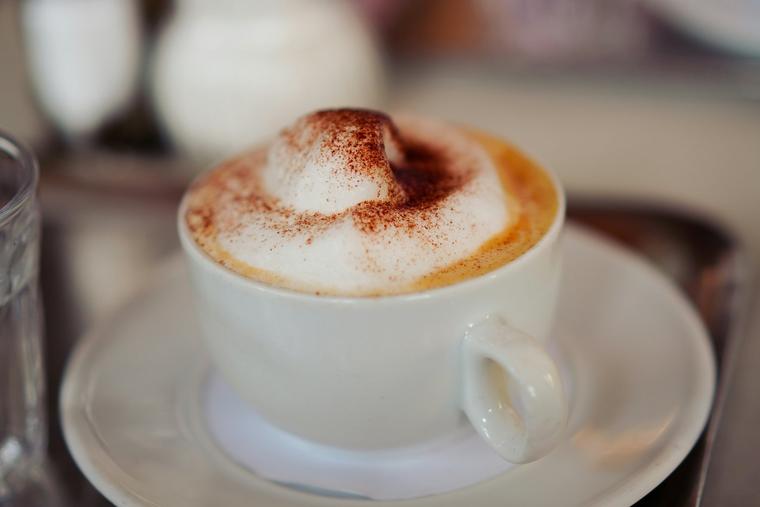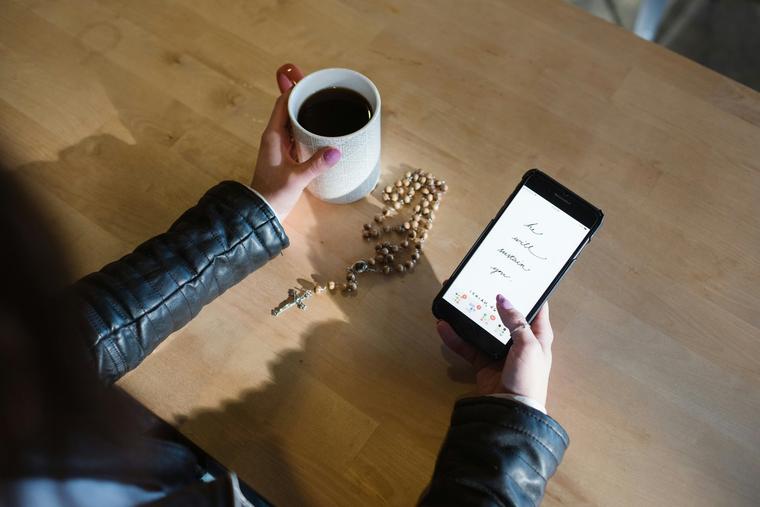
Learn about coffee’s Catholic ‘baptism’ — and more.
The average American is physically, biologically, psychologically, and neurologically unable to do anything worthwhile before he has a cup of coffee. And that goes for prayer, too. Even sisters in convents whose rules were written before electric percolators were developed would do well to update their procedures. Let them have coffee before meditation. — Fulton J. Sheen
Coffee is everywhere in Catholic life — and so ordinary it barely registers as remarkable. The early-morning cup before Mass, the coffee pot at parish coffee hour, the steady drip in a monastery kitchen: It is woven into daily rhythms of prayer, work and community.
Yet according to long-standing tradition, this familiar drink once carried a far more controversial reputation. In early European accounts, coffee was viewed with suspicion because of its foreign origins and, in some cases, was even labeled as the “devil’s drink.”
The historical record behind that claim is thin, and historians generally regard the story as legend. What is more securely documented, however, is coffee’s journey from an exotic import of the Islamic world into Europe and its gradual incorporation into the Catholic culture that influenced much of the continent