In nature, a forest’s perimeter does not end abruptly, as though cut off by a sidewalk pavement or a wall. It thins out, opens up and lets in more light until it reaches a clearing, where something unexpected happens. This transitional zone itself becomes richer in plant life than either the forest or the field it borders. The same is true where a river meets its bank, or where a coral reef gives way to open water. Experts in ecology call these in-between zones “ecotones.” Paradoxically, they are among the most densely inhabited environments in the natural world — and, under the right conditions, they can help repopulate the ecosystems on either side.
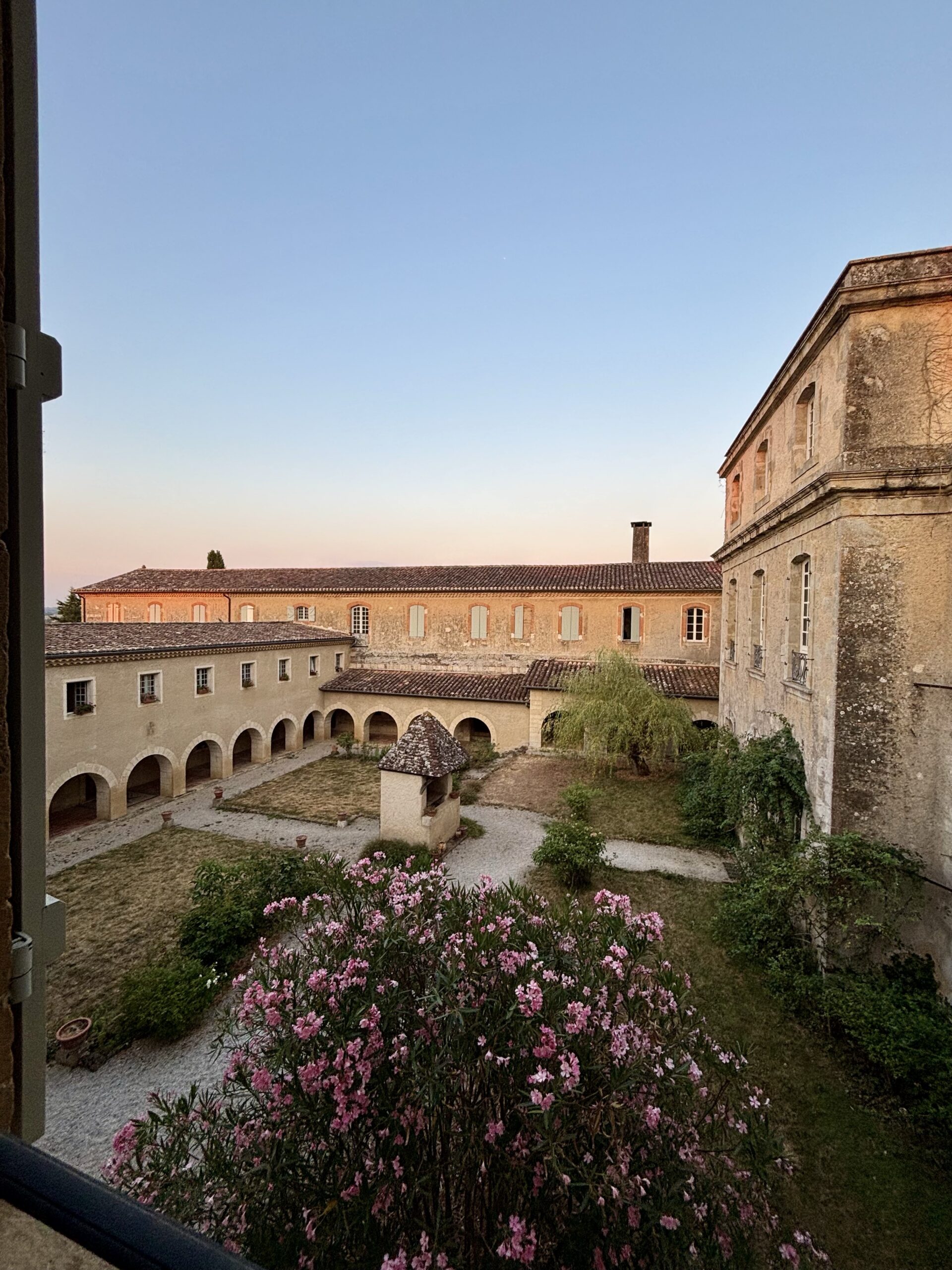
It is this nature-inspired concept that a community of Cistercian nuns in the Gers, in southwestern France, has chosen to describe its own vocation in the world. And it offers a striking example of how this biological reality can be translated into human and spiritual life.
Although its history goes back centuries, the community of Boulaur Abbey began attracting international attention in 2020, when it embarked on the ambitious project of