COMMENTARY: The ambiguities generated by ‘Amoris Laetitia’ have placed priests in the trenches in an almost impossible situation — and have further confused many already confused consciences.
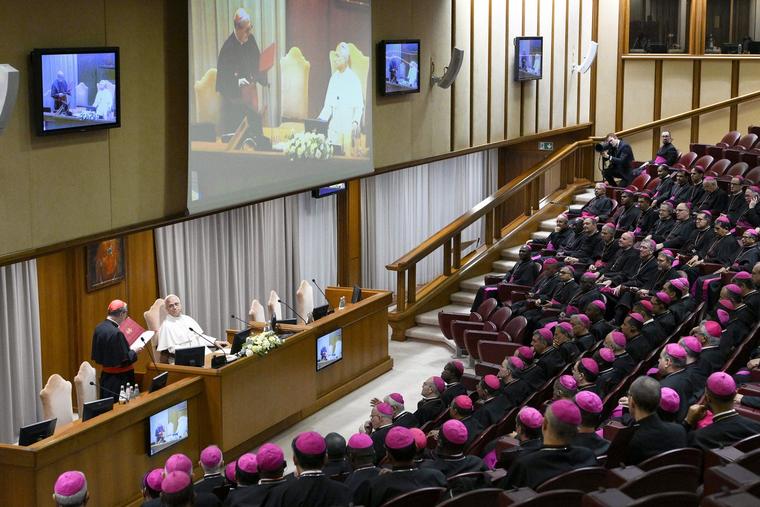
The meeting in Rome on the pastoral application of Amoris Laetitia is over. It remains to be seen what will come of its discussions as we await a document from Pope Leo XIV that will outline his own interpretation and analysis of the conversations.
Many of the participants characterized the gathering as an exercise in “synodality.” I think this is instructive, since whatever comes of this meeting will share the same strengths and weaknesses as “synodality” in general. In other words, as an exercise in synodality it will stand or fall as an example of that platform.
Synodality as a way of describing the institutional structures that exercise ecclesial governance is both an old and well-accepted theological principle, and something new. The idea that the pope is not an absolute monarch with the bishops acting as a class of aristocratic vassals is not new. The pope is not the CEO of “Catholic Inc.” and the bishops are not its branch managers. The Second Vatican Council made this quite clear as it restored to