This post was originally published on this site.
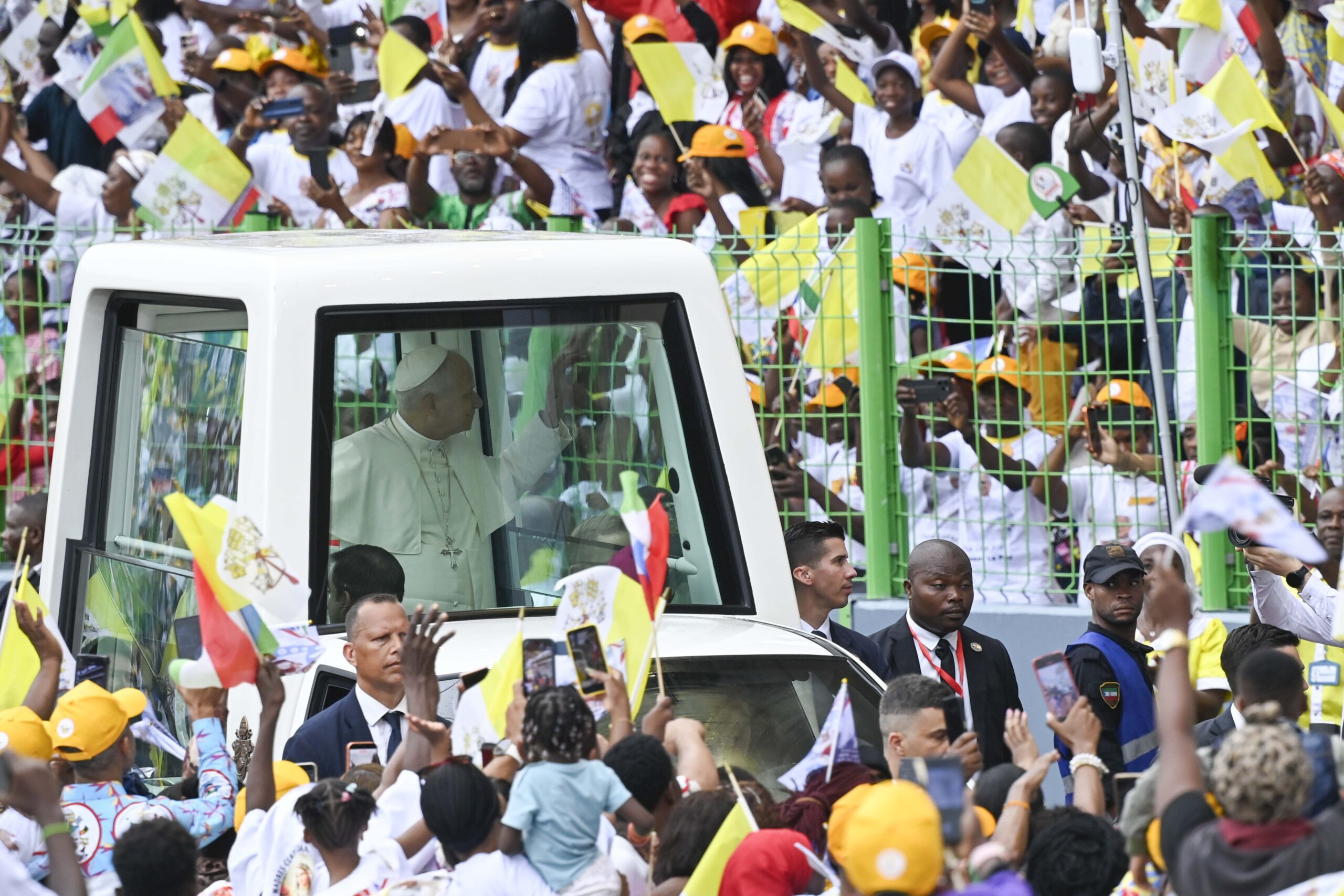
Local Catholic bishops and Vatican officials were likely watching closely as Hungarians went to the polls earlier this month in a pivotal election.
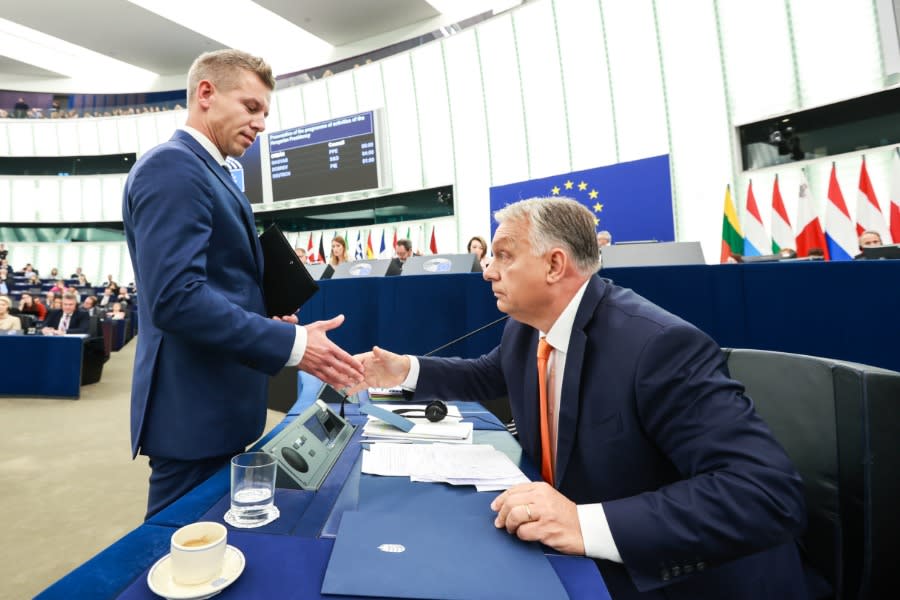
The parliamentary election, held April 12, was widely regarded as a referendum on the government of Viktor Orbán, which had invested heavily in relations with the local Church and Rome during its 16 years in power, while radically reshaping Hungary’s institutions.
Despite the advantages of incumbency, Orbán’s Fidesz party lost in a landslide to the Tisza party, led by the energetic 45-year-old Péter Magyar.
Tisza won 141 seats, well above the 100 needed for a majority, while Fidesz gained only 52, a loss of 83 seats from the 2022 election.
The Catholic-educated Magyar framed his victory not just as a change of governing party but as a regime change.
“The regime has fallen, and the Hungarian people have voted for a change of system,” he said the day after the ballot.
What does the election result mean for Church-state relations in Hungary? To answer that, we first need to look at the wider context and Magyar’s personal background.
What’s the context?
Hungary is a landlocked
Read more...