COMMENTARY: Ceuta shows how migration flows can become powerful tools of political pressure and manipulation.
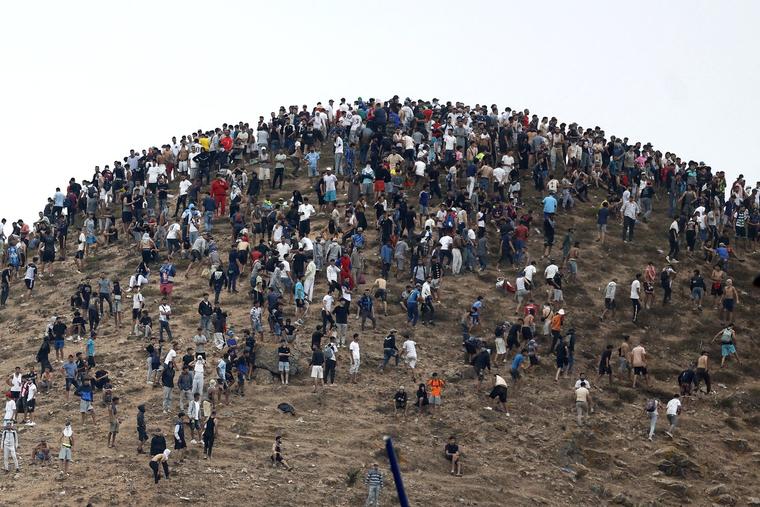
The images circled the globe and generated debate, memes and disinformation. Thousands, actually tens of thousands, of young men flooded the Spanish African city of Ceuta on the Moroccan coast. It was presented or contested as a story about uncontrolled migration, and the events in Ceuta are certainly part of that narrative, but there is much more to the story.
Ceuta, and the other Spanish city on the African coast, Melilla, are not “occupied territories” — not according to international law and the United Nations. They were never subject to debates on decolonization, and the Kingdom of Morocco has historically and legally — if very grudgingly — recognized them as Spanish territory.
Both cities are historical remnants of what was a political, religious and demographic reality that existed for centuries. There was a time when there was both a political and religious unity between the northern and southern shores of the Mediterranean Sea. That unity first came from the Roman Empire and then from the Catholic Church.
The Islamic conquests of the eighth century swept away that unity, but even well into the 20th