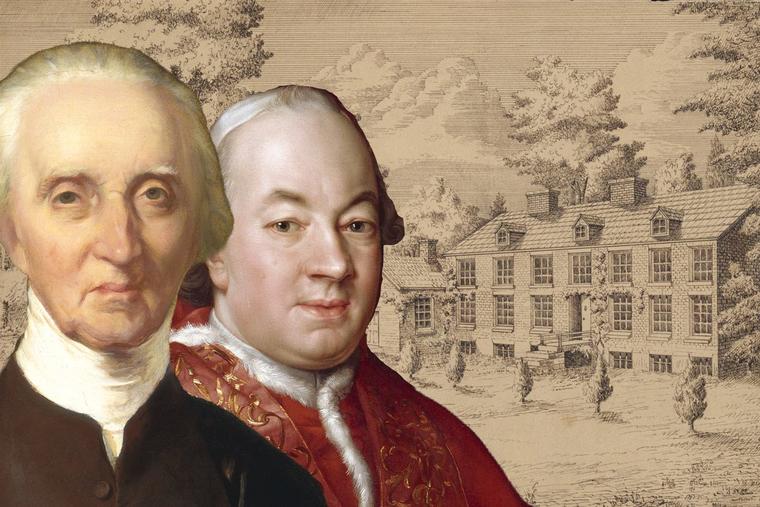
As the bestseller status of Vice President JD Vance’s book Communion testifies, Catholics are in a much stronger position in the United States — politically, culturally and demographically — than they were on the day of the nation’s birth.
On July 4, 1776, when the Second Continental Congress adopted the Declaration of Independence, there wasn’t a single Catholic present in the Assembly Room of the Pennsylvania State House. Up to that day, anti-Catholic, British-colonial laws prevented Catholics from holding public offices, even in Maryland, where they could worship freely. It was on Independence Day itself that Charles Carroll of Carrollton was elected to travel to Philadelphia to represent his state.
Carroll, the only Catholic to sign the Declaration, did so on Aug. 2, 1776. At that point and throughout the Revolutionary War and the lead-up to the Constitutional Convention, Catholics made up only about 1% of the population of the 13 original states. They were a small minority even in Maryland.
And, despite legal protections afforded them by the eventually adopted First Amendment of the Bill of Rights, they would face much discrimination in the young United States, especially after their numbers began to swell due to immigration from impoverished