This post was originally published on this site.
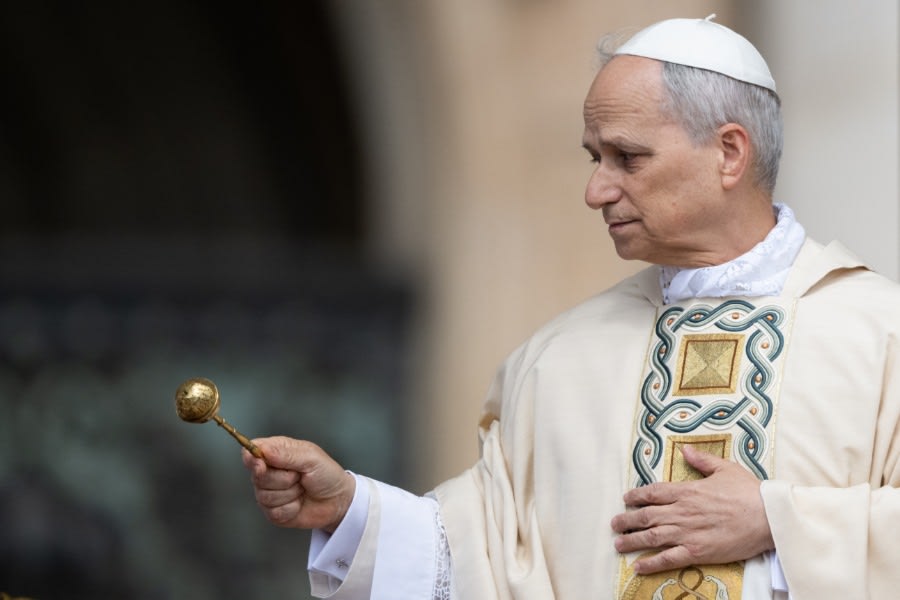
In his long-awaited first encyclical, released Monday, Pope Leo XIV presents a blueprint for the defense of human dignity in an age of technological revolution.
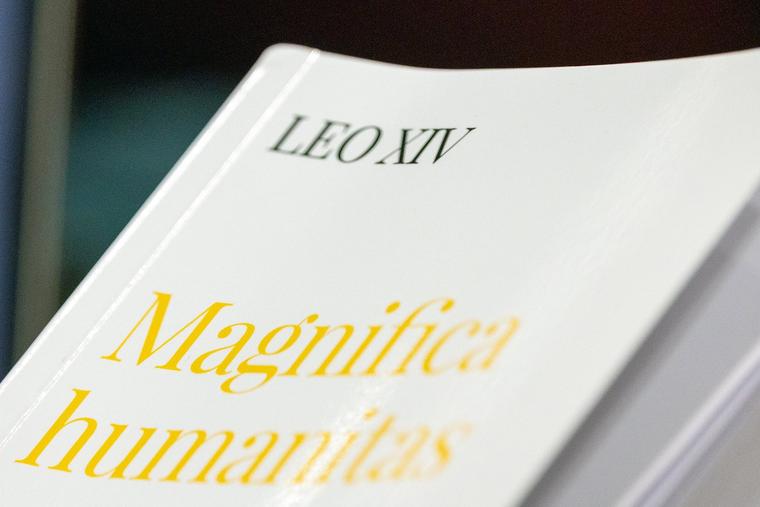
Magnifica humanitas (“Humanity in its grandeur”) applies the principles of Catholic social teaching to the novel challenges presented by artificial intelligence in the realms of education, politics, work, and war.
The document takes aim at the 21st-century technological philosophies of “transhumanism” and “posthumanism,” arguing that human potential is fully realized in Christ and His Church.
The encyclical — which is around 38,000 words and takes two to three hours to read — also includes a striking acknowledgement of the Church’s slowness to offer an outright condemnation of slavery, while calling for new efforts to eliminate slave-like conditions in the digital economy.
Here’s a reader’s guide to the encyclical.
What’s the background?
Shortly after his election, Leo XIV explained why he chose a papal name last used by Leo XIII, who famously applied Catholic teaching to the social upheavals of the 19th century in his encyclical Rerum novarum (“Of new things”).
Leo XIV said the main reason for his choice of name was that in Rerum novarum,
Read more...