Originally published at The Crux
Read more...
Long-simmering unease over the lack of Vatican transparency in a high-profile abuse case boiled over this week and brought a major problem of governance into sharp focus.
In a word: Why are criminal trials at Church law conducted in secret?
The question has vexed penal lawyers practicing in the Church’s justice system, criminal justice experts, and reform advocates, for years.
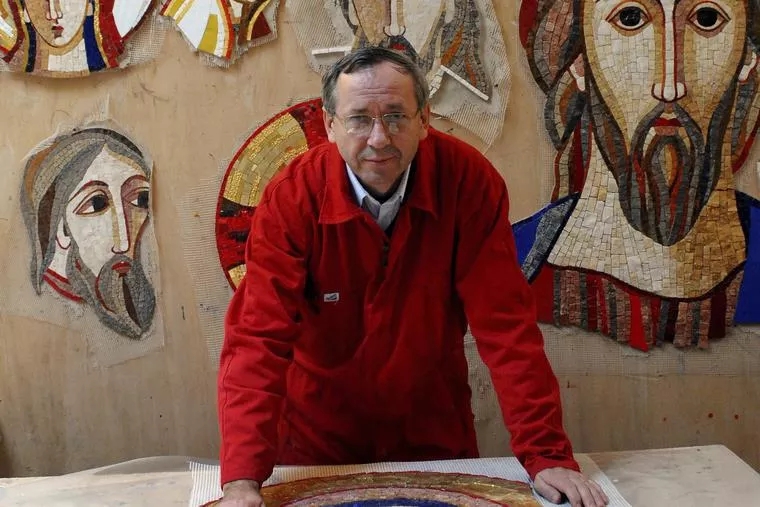
The case of Father Marko Ivan Rupnik, a disgraced Slovenian priest and former Jesuit who gained worldwide renown as a mosaic artist and spiritual master allegedly while abusing dozens of victims over many years, is a microcosm of the problem.
Earlier this week, the attorney for five of Rupnik’s accusers, Laura Sgrò, delivered a withering public critique of the Church’s efforts to provide justice in the case, complaining of procedural irregularities, foot-dragging, and an almost Kafkaesque lack of transparency.
RELATED: Rupnik victims ‘disheartened and distressed’ but determined, says lawyer
The Vatican says secrecy is necessary “out of respect for the process itself and to avoid causing further pain to those involved,” words that came in a statement issued Wednesday after rumors of Rupnik’s acquittal began circulating earlier in the week.
The trouble is that’s just not the case, at