COMMENTARY: The saint’s contribution to America would come not through politics or military triumph, but through sanctity expressed in action.
America does not suffer from a lack of opinions. It suffers from a lack of saints.
At nearly every level of national life, Americans are exhausted by outrage, distrust, loneliness, ideological tribalism, and the steady collapse of institutions that once held communities together. We debate endlessly how to repair the country’s politics while spending far less time asking whether the deeper wound is spiritual.
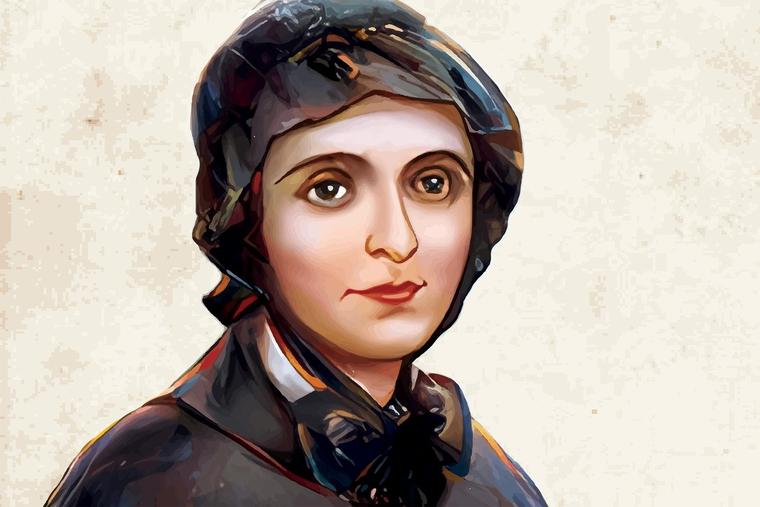
That is one reason the life of Elizabeth Ann Seton feels startlingly relevant as the nation celebrates its 250th anniversary.
Born in 1774, she was not simply alive during the American founding. She belonged to it. She grew up inside the uncertainty, ambition, optimism, and instability of the early republic. She moved among the social circles of the young nation’s elite and witnessed firsthand the creation of a new country still struggling to define itself.
Yet Elizabeth Ann Seton’s contribution to America would come not through politics or military triumph, but through sanctity expressed in action.
We speak often of America’s Founding Fathers. Perhaps Catholics should be bold enough to recover another phrase: Founding Mother.