Originally published at The Crux
Read more...
A renewed push for reparatory justice is sweeping across the Global South following the United Nations’ landmark resolution declaring the trafficking of enslaved Africans as the “gravest crime against humanity.”
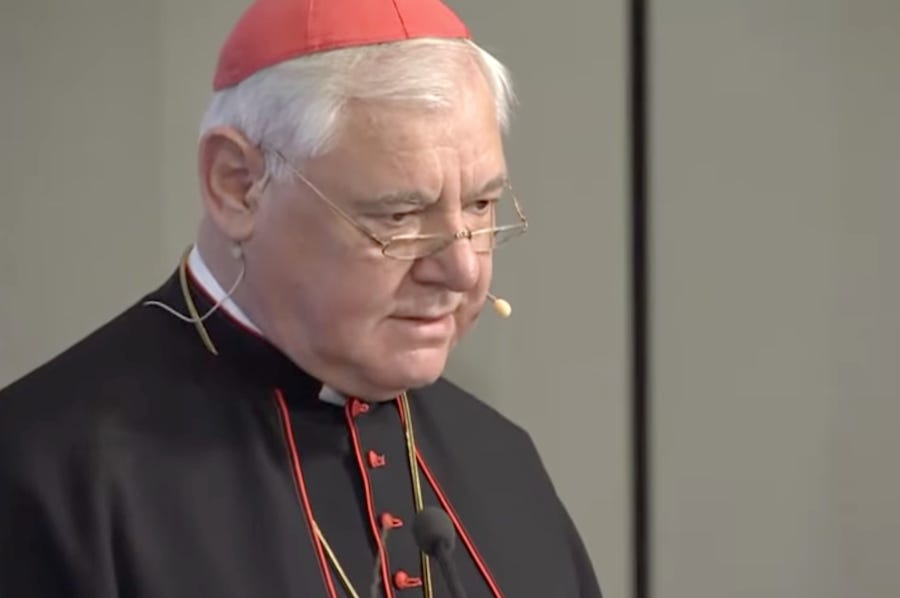
In a wide-ranging interview with Crux Now, Bishop Mathew Hassan Kukah of Sokoto, Nigeria, welcomed the development and reflected on the need for African leaders – together with citizens and civil society – to respond.
“The UN should be commended for offering a guide,” Kukah told Crx Now. “The duty falls on us to domesticate these ideas,” he said, “and so, it is up to our African and regional initiatives to embark on localizing these initiatives and taking memory seriously.”
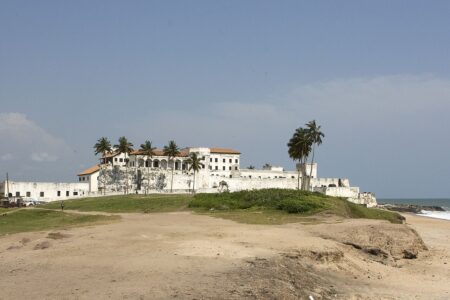
African and Caribbean leaders gathered in Accra, Ghana, recently to draft a comprehensive 19-point framework demanding everything from financial compensation and sovereign debt relief to the return of looted cultural artifacts, for which the resolution also called.
Twelve to fifteen million African men, women and children were captured and trafficked to work as slaves in the Americas between the fifteenth and the nineteenth centuries.
The human and cultural devastation was unspeakable and the effects are perduring.
Crux Now asked Kukah for his perspective on what true justice looks like