Originally published at The Crux
Read more...
Americans have long been divided over the death penalty, with nearly half of states banning capital punishment outright and just a handful of others carrying out most of the nation’s executions each year.
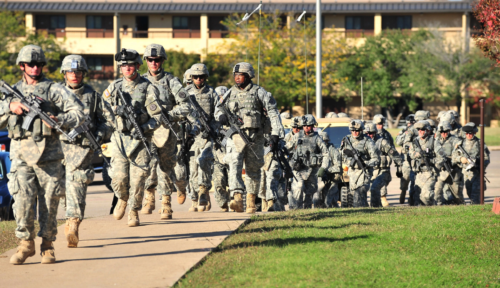
The longstanding but uneasy relationship with executing the nation’s worst criminals has been on clear display in recent weeks, first following a botched lethal injection in Tennessee and later after the military announced plans to livestream a death by firing squad. Both have prompted fresh calls for abolition from death penalty opponents and led supporters to publicly grapple with how to humanely carry out government executions.
When Christa Pike was sentenced to die in 1996 after being convicted of murdering a classmate, Tennessee was among 37 states that had capital punishment, and the number of annual executions in the U.S. was on the rise. Since then, 10 states have abolished capital punishment, and executions haven’t approached their late 1990s peak.
Still, it is unlikely the U.S. is headed for complete abolition. Thirty inmates have been executed this year, and another eight executions have been scheduled, most of them in Texas and Florida. The military’s planned firing-squad execution for Fort Hood shooter Nidal Malik Hasan is scheduled