COMMENTARY: Damon Landor will not receive a dollar for what was done to him. But he has done something important by carrying a case that exposed a real gap in the law all the way to the highest court in the country.
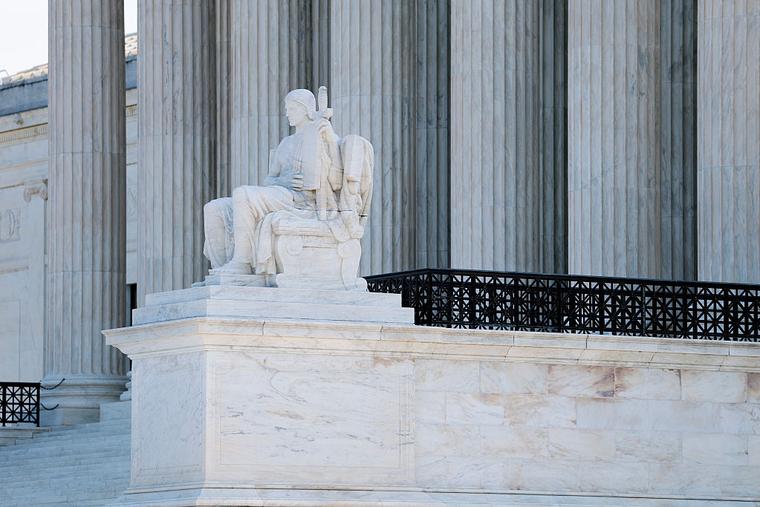
In Landor v. Louisiana Department of Corrections and Public Safety, the U.S. Supreme Court held 6-3 that a federal law protecting the religious rights of prisoners does not offer them the right to sue individual prison officials personally for money damages.
The court reasoned that under the Spending Clause of the Constitution, Congress cannot impose liability on prison officials directly. Instead, it “must depend instead on consent,” which they had not agreed to be sued in cases like that brought by Damon Landor.
Landor’s story is not easy to forget. For nearly 20 years, he had worn dreadlocks as an act of religious devotion rooted in his Rastafarian faith —a practice modeled on the Nazarite vow described in the Book of Numbers. Prison officials in Louisiana knew this. They had accommodated his practice in the past. The federal appeals court with jurisdiction over the state had already ruled that forcing Rastafarian inmates to cut their hair