By Janelle Peregoy
“Behold, the virgin shall conceive and bear a son, and they shall name him Emmanuel, which means ‘God is with us’” (Matt 1:23).
The story of salvation begins with a family.
Once, I received a Christmas card where Joseph cradled the baby Jesus in his arms. Nearby, Mary lay slumped, with the exhaustion of childbirth heavy on her face.
I wish more Nativity images were this honest.
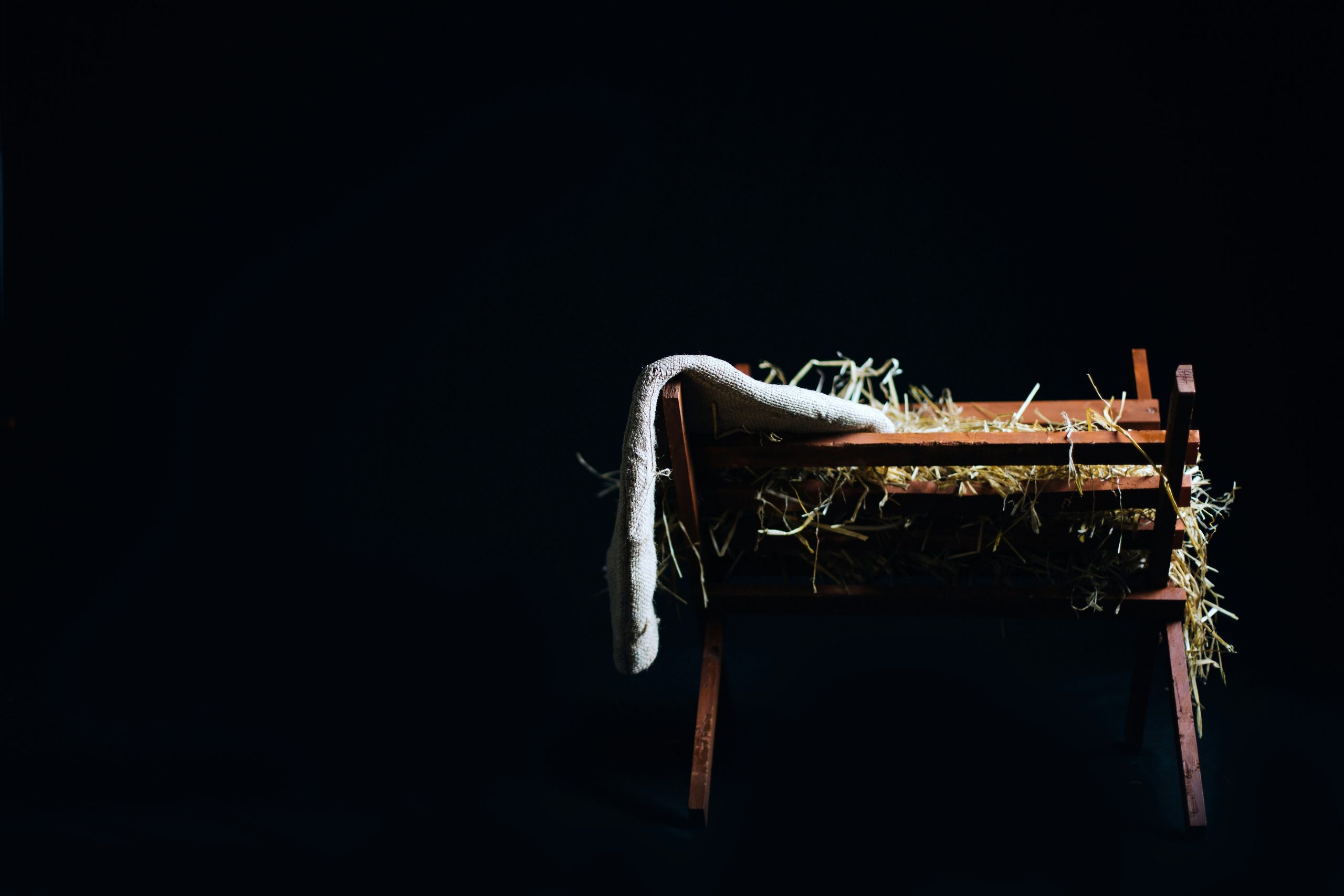
In our reverence for the Holy Family, we are tempted to sanitize the birth of Jesus. The manger appears brand-new and clean. The hay is appealingly placed. Mary and Joseph look remarkably well rested. Halos of light flicker around baby Jesus. There is no blood or any physical signs of childbirth.
These sanitized Nativities miss the wonder of the Incarnation. God became flesh. Jesus first met humanity within the muck and the mess.
The circumstances surrounding the birth were far from ideal. Joseph and Mary were migrants traveling away from the familiarity of home and community. Their family had been excluded from the safety and security of the inn. It is no coincidence that the first to recognize the enormous significance of this moment were shepherds, who themselves were often marginalized and forgotten by society.
In “The Joy of Love,” Pope Francis reminded us that all families experience brokenness.
“I thank God that many families, which are far from considering themselves perfect, live in love, fulfill their calling and keep moving forward, even if they fall many times along the way … there is no stereotype of the ideal family, but rather a challenging mosaic made up of many different realities, with all their joys, hopes and problems” (“Amoris Laetitia,” No. 57).
What does it mean for each of us to live in love? What does it mean for us to recognize the “God with us”?
Each holy family, each domestic Church, must ask themselves these questions this Advent season. Living in love will look different depending on our circumstances and needs.
For some, it may be the willingness to offer a penitent “I am sorry” and to extend an olive branch during a family rift. For others, it may require slowing down the onslaught of activities to intentionally prioritize family time and opportunities for prayer. For couples, it may be a recommitment to the hopes and sacrifices inherent in their marriage vows.
Some families may need to accompany loved ones challenged with mental health concerns, addiction or the realities of divorce or separation. Other families may need to give themselves grace as they continue to grieve the loss of a loved one.
Many families live day-to-day focused on social and economic challenges. In his recent apostolic exhortation, “Dilexi Te,” Pope Leo XIV emphasizes the Church’s love and dedication to the poor. Bearing witness to the realities of suffering, families may stand in solidarity with those who are struggling with food insecurity or families impacted by immigration policy.
One universal call this Advent season is to prayer and discernment. May every holy family be inspired by the Holy Family, whose love reverberates throughout history.
Janelle Peregoy is associate director for separated and divorced ministry in the diocesan Office for Family Life and Spirituality.
Read more...